The Church Fathers
Journey through five distinct eras of early Christian thought, from the Apostolic Age to the Desert Fathers. Click on any era to explore the lives and contributions of these foundational theologians.
The Apostolic Fathers
The immediate successors to the Apostles, focused on survival, unity, and establishing authority.
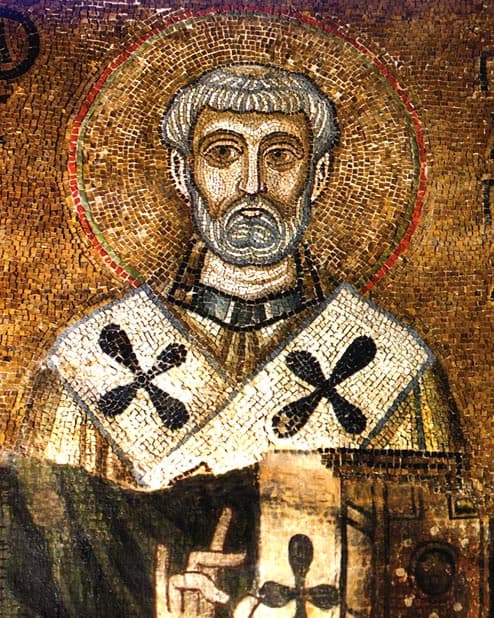
Clement of Rome
Fourth Bishop of Rome. Wrote 1 Clement to the Corinthians to settle a rebellion against clergy.
Did you know? His letter was considered scripture by many early churches in Egypt and Syria.
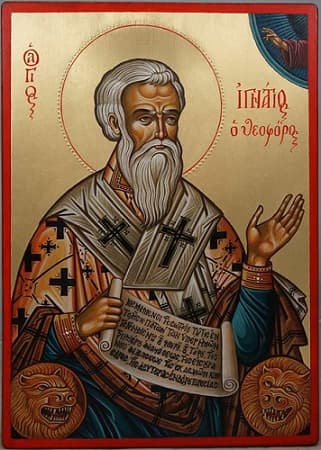
Ignatius of Antioch
Bishop arrested and transported to Rome for execution. Wrote seven letters on the way emphasizing the authority of the bishop.
Did you know? The first writer to use the term "Catholic Church" (katholike ekklesia).
Papias of Hierapolis
Collector of oral traditions who interviewed those who knew the Apostles.
Did you know? He is the primary source for the claim that Mark's Gospel is based on Peter's eyewitness accounts.
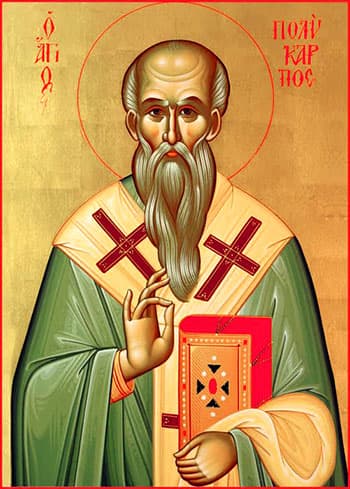
Polycarp of Smyrna
Disciple of the Apostle John and teacher of Irenaeus. A living link between the Apostles and the 2nd century.
Did you know? Martyred at 86; famously told the Roman Proconsul, "86 years have I served him, and he has done me no wrong."
The Ante-Nicene Fathers
The "Apologists" and early theologians living under persecution before the Council of Nicaea.
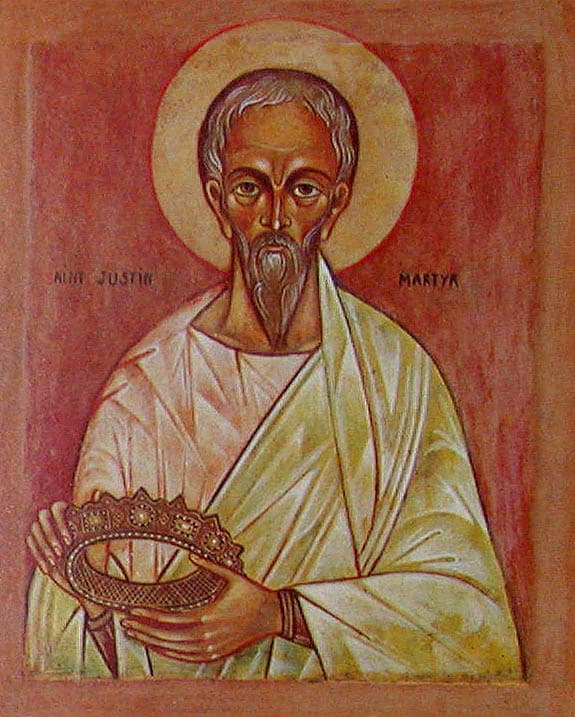
Justin Martyr
A philosopher-convert who argued that Christianity was the "True Philosophy."
Did you know? Provides the earliest detailed description of the Sunday Eucharist (Mass) in his First Apology.
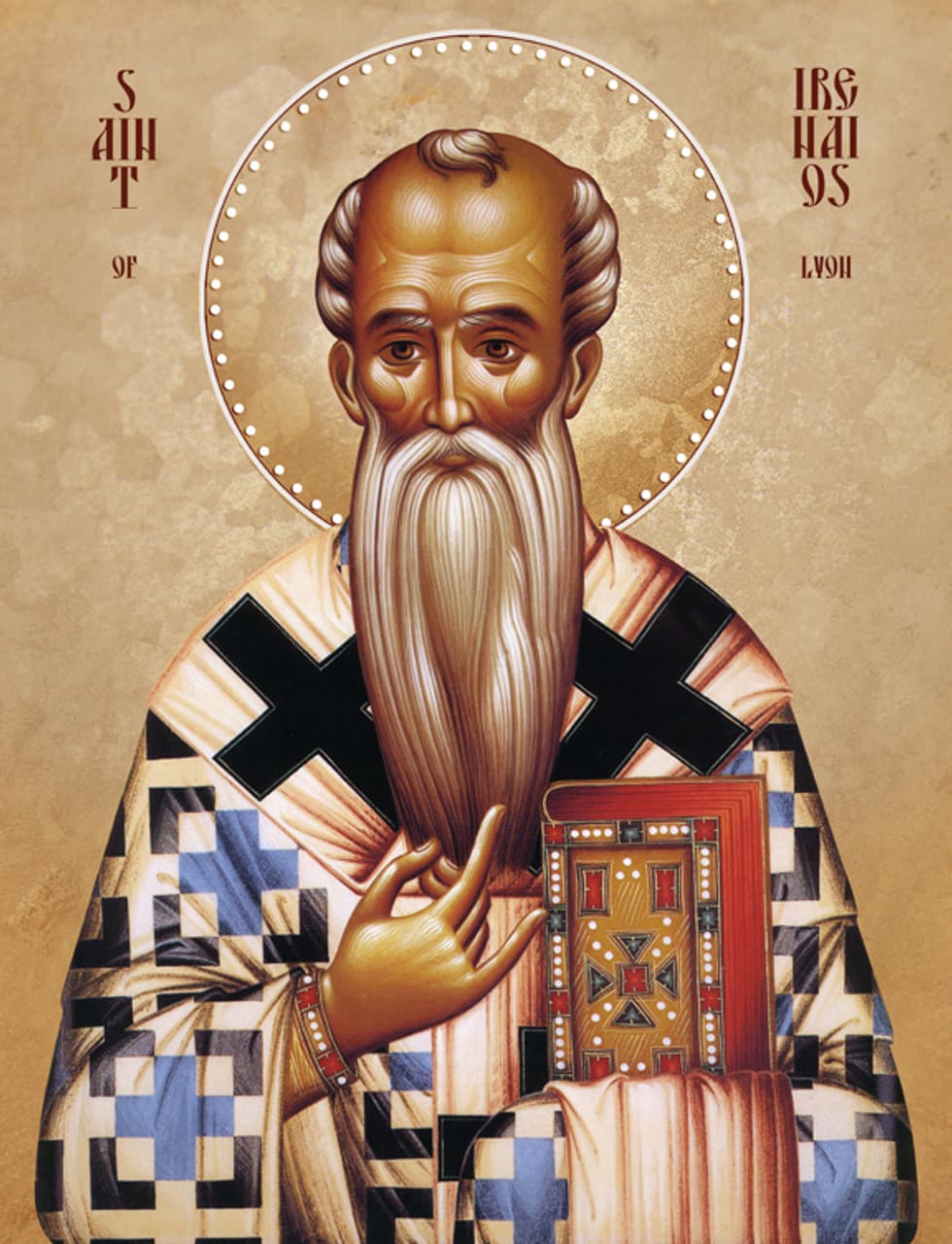
Irenaeus of Lyons
Student of Polycarp who moved to Gaul. His work Against Heresies is the definitive attack on Gnosticism.
Did you know? First to explicitly identify the four Gospels (Matthew, Mark, Luke, John) as the only canonical ones.
Clement of Alexandria
Head of the Catechetical School. He used Greek philosophy (Plato) to explain Christian doctrine to intellectuals.
Did you know? Wrote the hymn "Shepherd of Tender Youth," one of the oldest Christian hymns still in use.
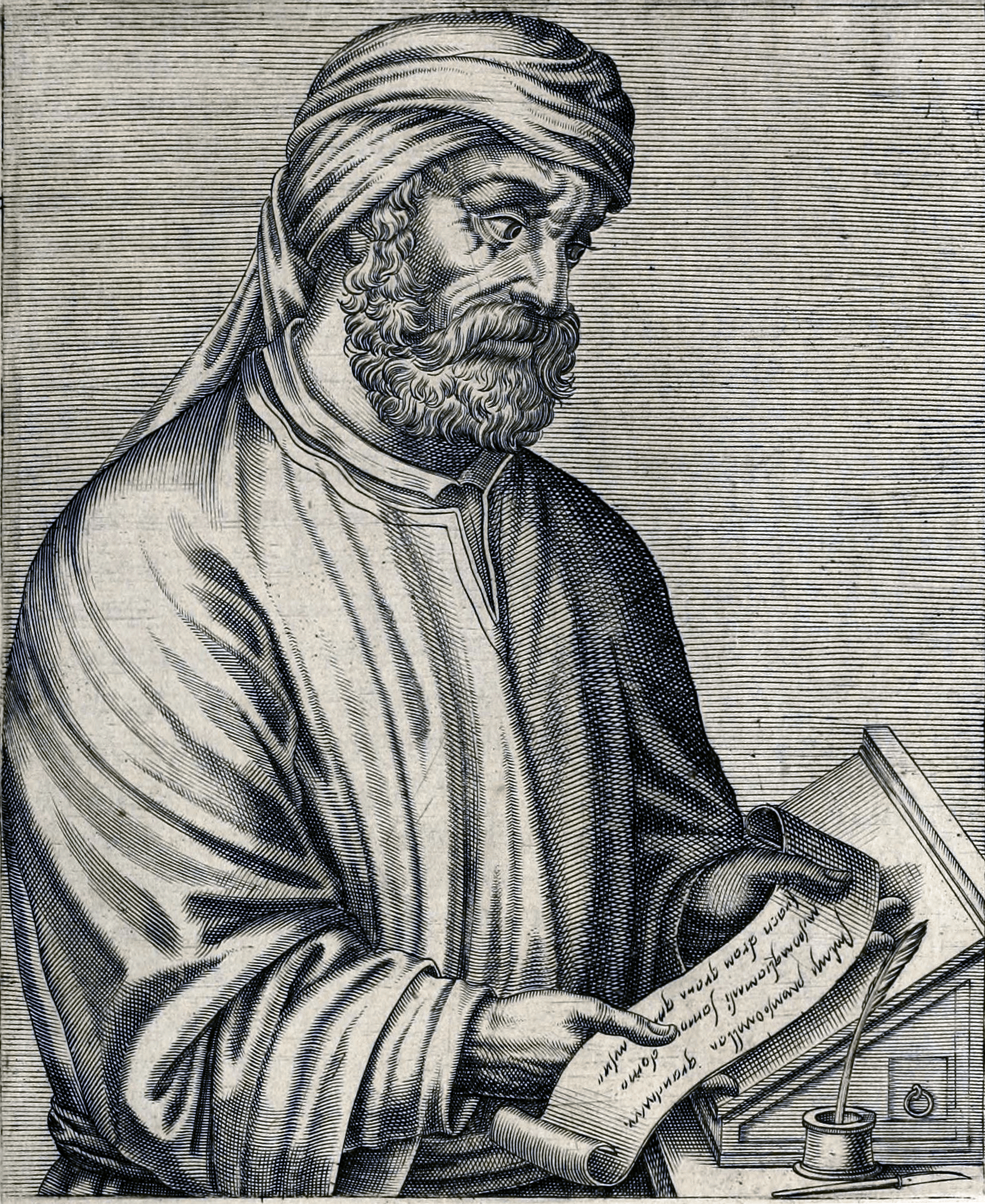
Tertullian
The "Father of Latin Theology." A fiery lawyer who coined the theological terms Western Christianity uses today.
Did you know? Created the word "Trinity" (Trinitas) and the phrase "three persons, one substance."
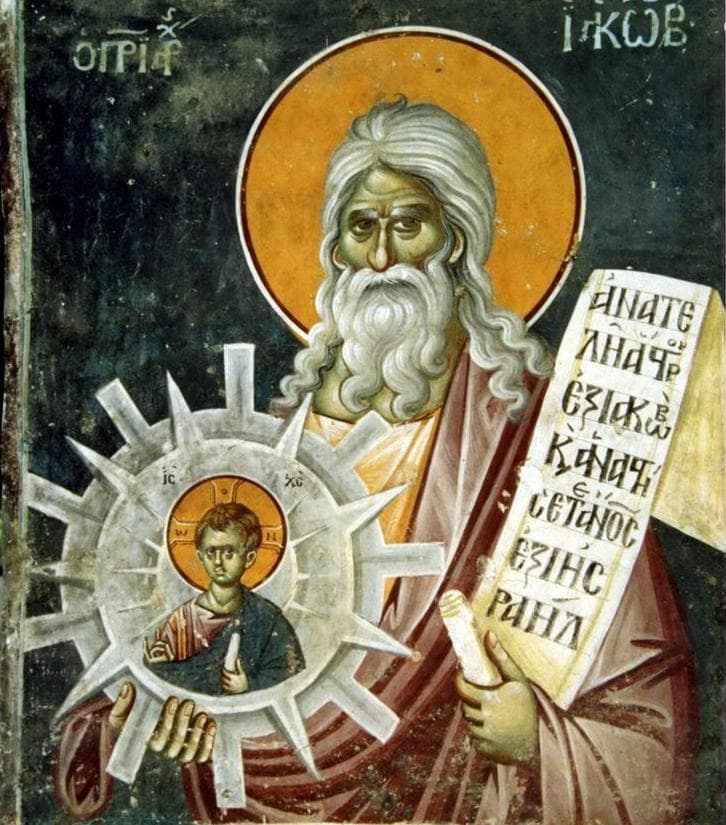
Hippolytus of Rome
A rigorist theologian who briefly became an "Anti-Pope" because he felt the Church was too lenient on sinners.
Did you know? His Apostolic Tradition contains the oldest known text of ordination prayers used for bishops.
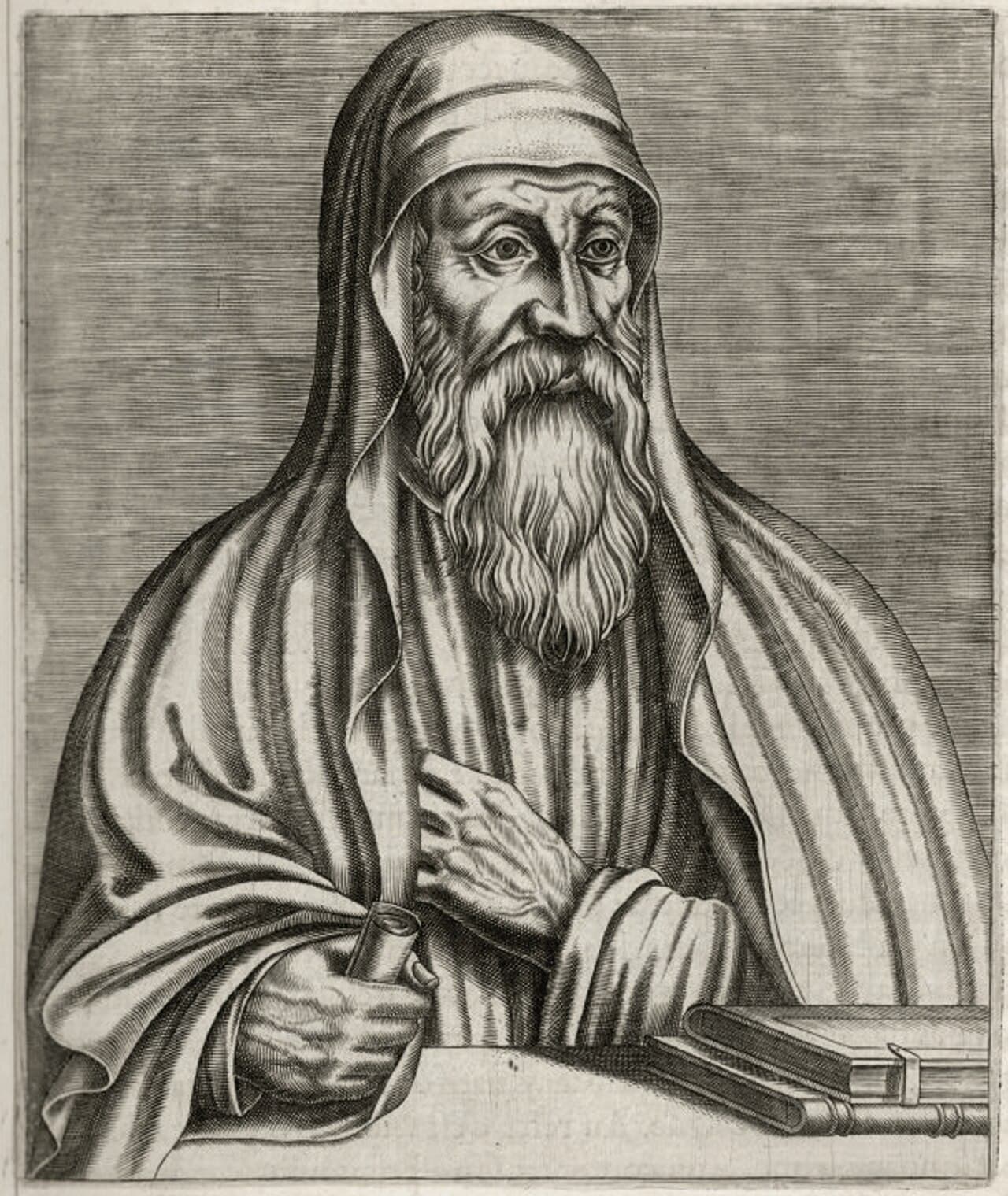
Origen of Alexandria
A genius scholar and prolific writer who pioneered allegorical interpretation of the Bible.
Did you know? While brilliant, his speculations (like the pre-existence of souls) were later condemned, so he is not a "Saint" in the East or West.

Cyprian of Carthage
A wealthy lawyer turned bishop who managed the church during the Decian persecution and a massive plague.
Did you know? Famous for the maxim: "He can no longer have God for his Father, who has not the Church for his mother."
The Golden Age: Greek (Eastern) Fathers
The architects of Orthodoxy who defined the Trinity and Christology in the East.
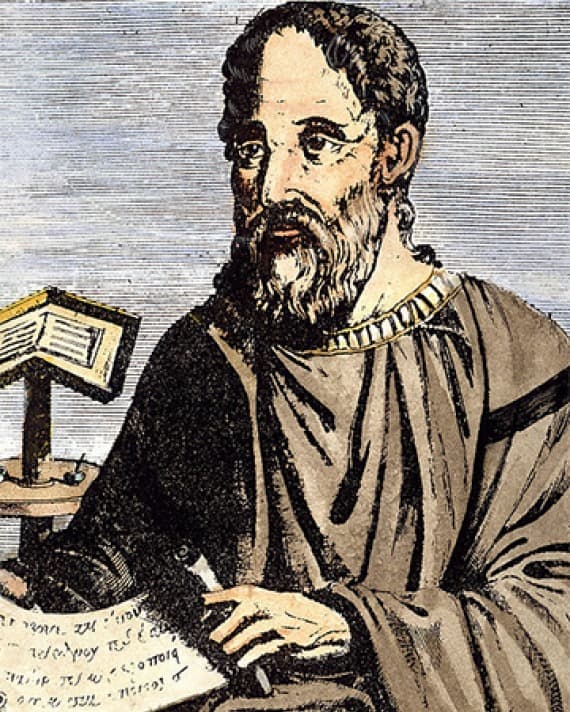
Eusebius of Caesarea
The "Father of Church History." Wrote Ecclesiastical History, preserving the only record of the first 300 years of the church.
Did you know? He was a court favorite of Emperor Constantine and leaned toward Arianism (heresy) before accepting Nicaea.

Athanasius
The "Hero of Nicaea." Spent his entire life fighting Arianism (the belief Jesus was created). Exiled five times.
Did you know? Wrote The Life of Antony, which popularized monasticism in Europe.
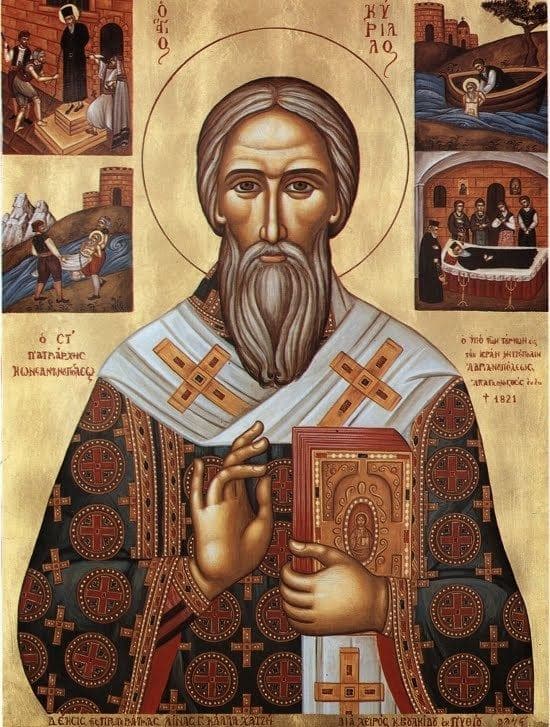
Cyril of Jerusalem
Bishop famous for his Catechetical Lectures, teaching new converts the faith and liturgy.
Did you know? His writings give us a tour of the Holy Sepulchre immediately after its construction.
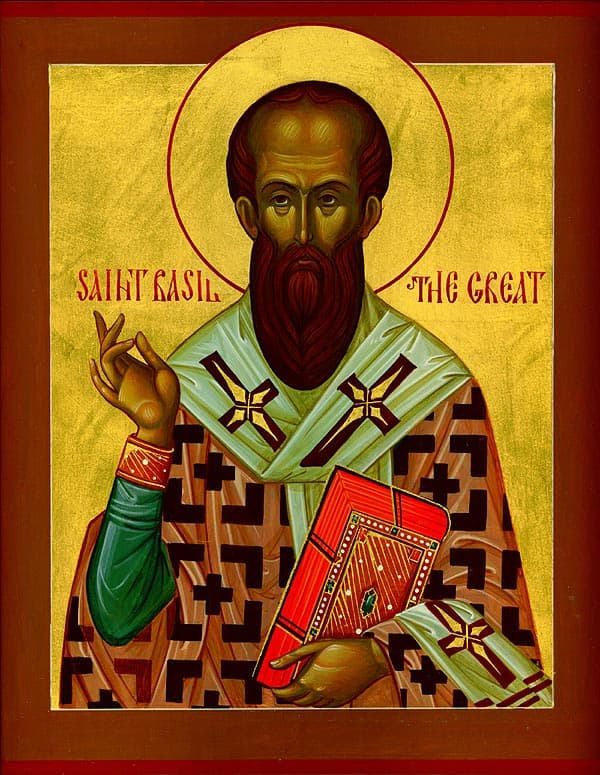
Basil the Great
Theologian and administrator who wrote the rules for Eastern monasticism.
Did you know? Built the Basiliad, a massive complex/hospital for the poor, effectively inventing the charity hospital system.
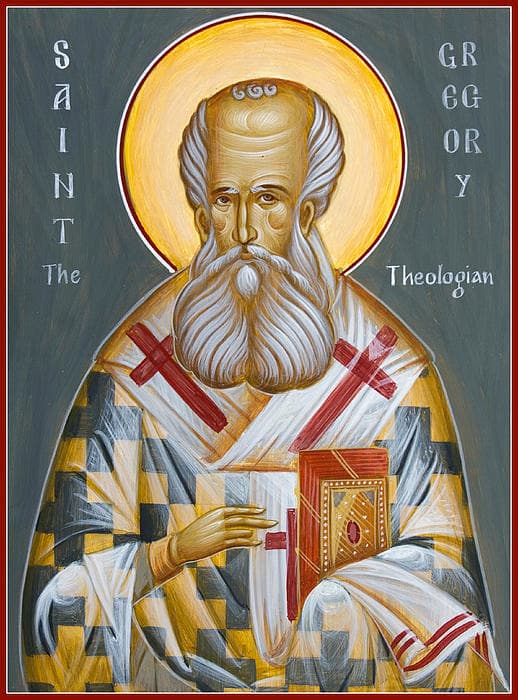
Gregory of Nazianzus
"The Theologian." A poet and reluctant bishop who solidified the divinity of the Holy Spirit.
Did you know? Presided over the Council of Constantinople (381) which completed the Nicene Creed.
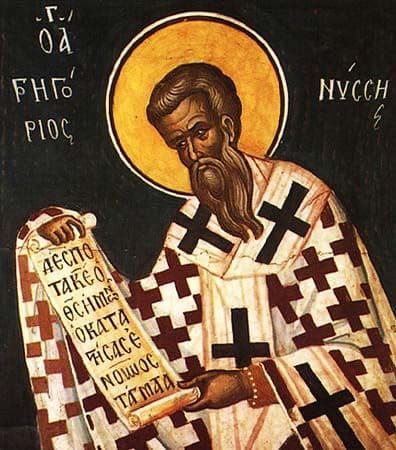
Gregory of Nyssa
Basil's younger brother; a mystic philosopher focused on the infinite progress of the soul.
Did you know? Held the controversial hope of apokatastasis—universal salvation for all souls eventually.
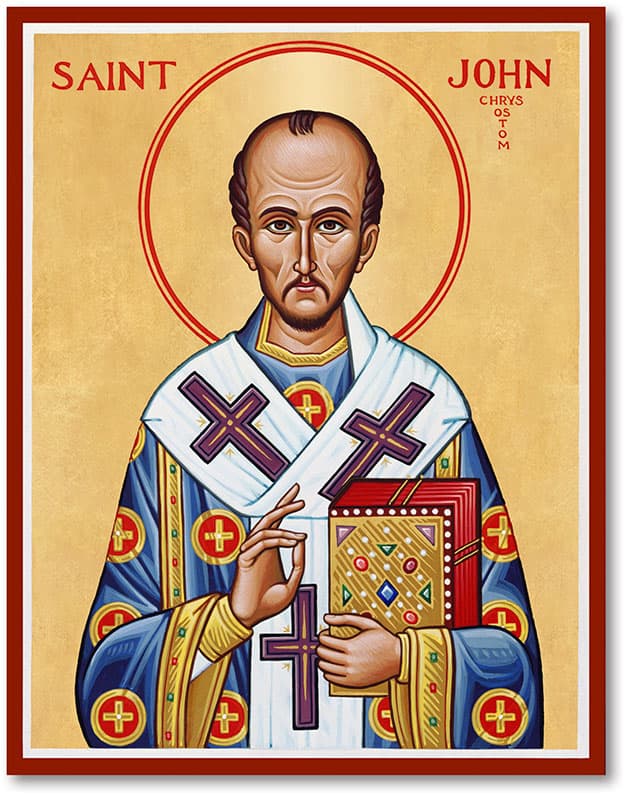
John Chrysostom
"Golden Mouth." The greatest preacher of the East. Exiled for criticizing the wealth and vanity of the imperial court.
Did you know? The standard Sunday liturgy used in the Orthodox Church today is named the "Liturgy of St. John Chrysostom."
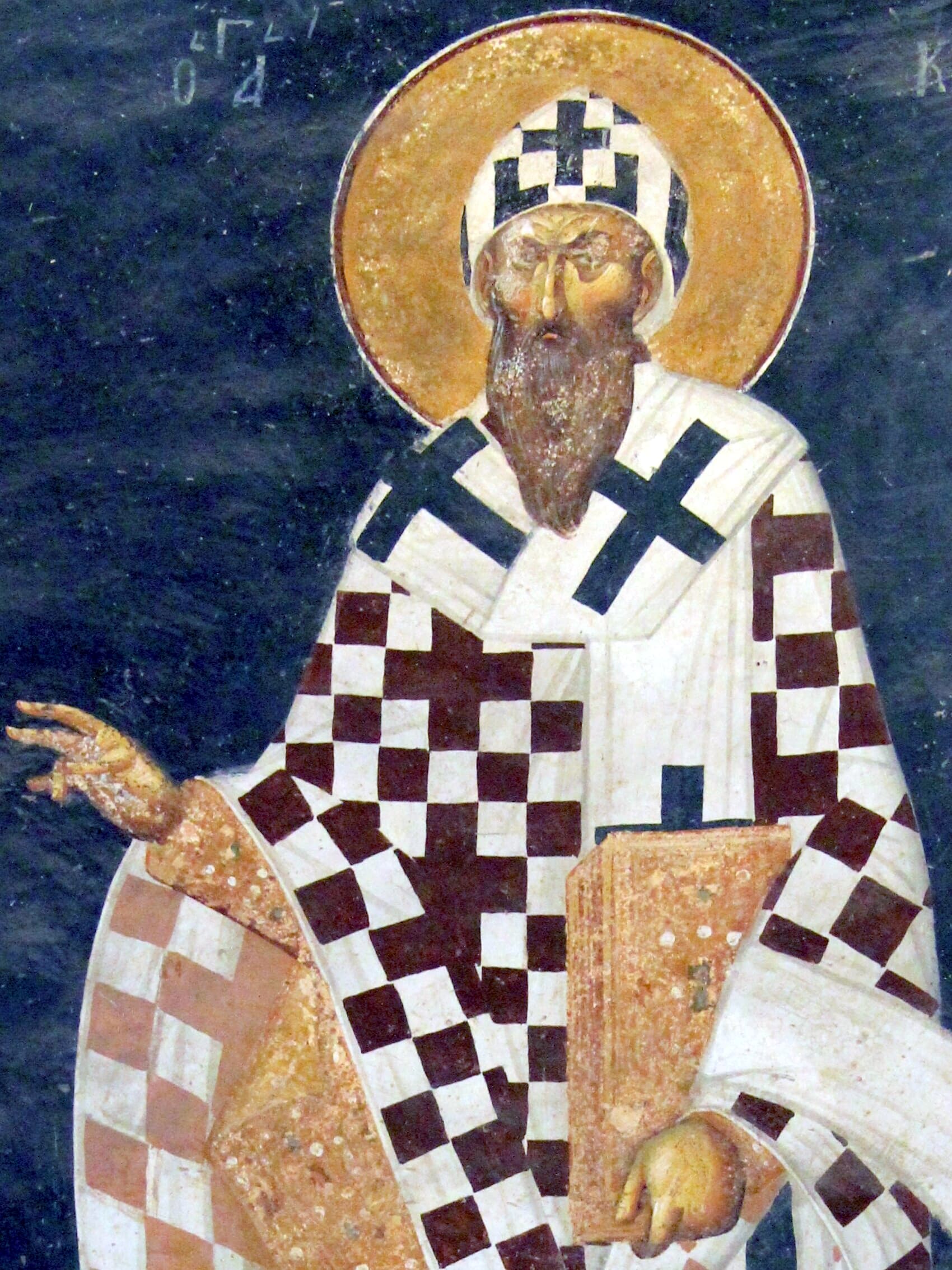
Cyril of Alexandria
The "Seal of the Fathers." Defended the title Theotokos (Mother of God) for Mary to protect the divinity of Jesus.
Did you know? A shrewd, sometimes ruthless politician who outmaneuvered Nestorius at the Council of Ephesus.

Maximus the Confessor
A monk who stood alone against the Emperor to defend the human will of Christ (Dyothelitism).
Did you know? He had his tongue and right hand cut off for his defiance, dying in exile before his view became official dogma.
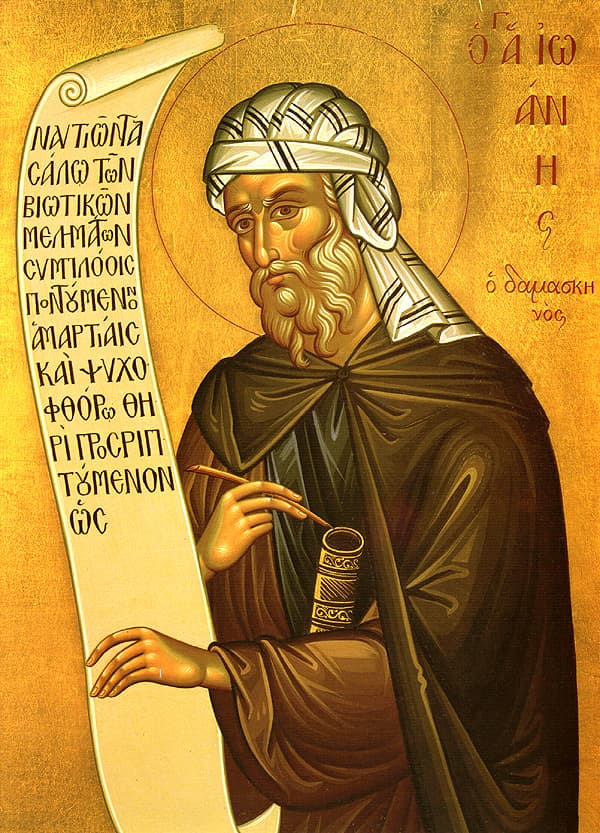
John of Damascus
The last Greek Father. Defended the use of Icons during the Iconoclast controversy.
Did you know? He lived under Muslim rule and worked as a tax official for the Caliph before becoming a monk.
Pseudo-Dionysius the Areopagite
A mysterious mystical theologian who wrote under the name of Paul's convert in Athens. His works fused Neoplatonism with Christianity, deeply influencing medieval mysticism and Gothic art.
Did you know? He actually invented the word "Hierarchy" (hierarchia) to describe the ordering of angels and the church.
The Golden Age: Latin (Western) Fathers
The shapers of Western Catholicism and Protestantism.
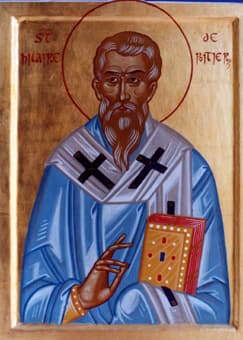
Hilary of Poitiers
"The Athanasius of the West." A gentle bishop who led the fight against Arianism in the Latin-speaking world.
Did you know? He was a married convert elected bishop by popular acclaim of his city.
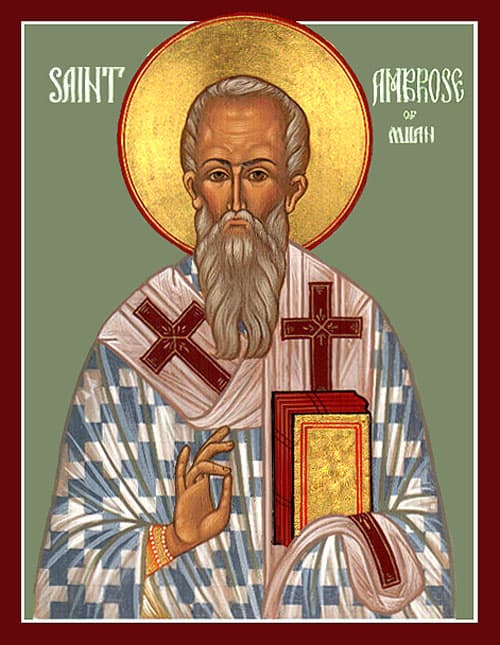
Ambrose of Milan
A governor who became bishop. He asserted the church's independence from the state, famously forcing Emperor Theodosius to repent publicly.
Did you know? His preaching was the key factor in converting Augustine of Hippo.
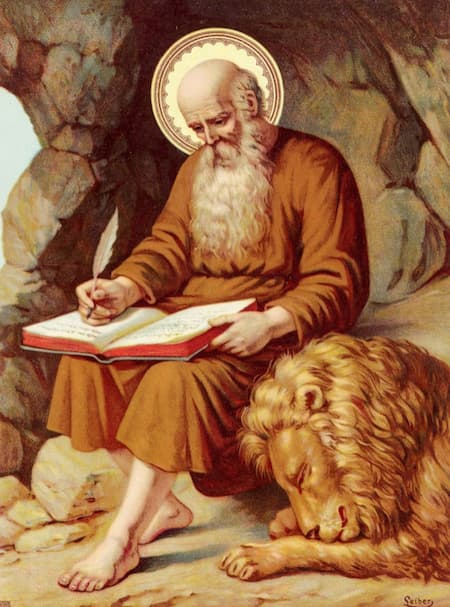
Jerome
A brilliant linguist and hermit. He translated the Bible into the Latin Vulgate, the standard Bible for 1,000 years.
Did you know? Known for his terrible temper; he often wrote insults to Augustine and other bishops.
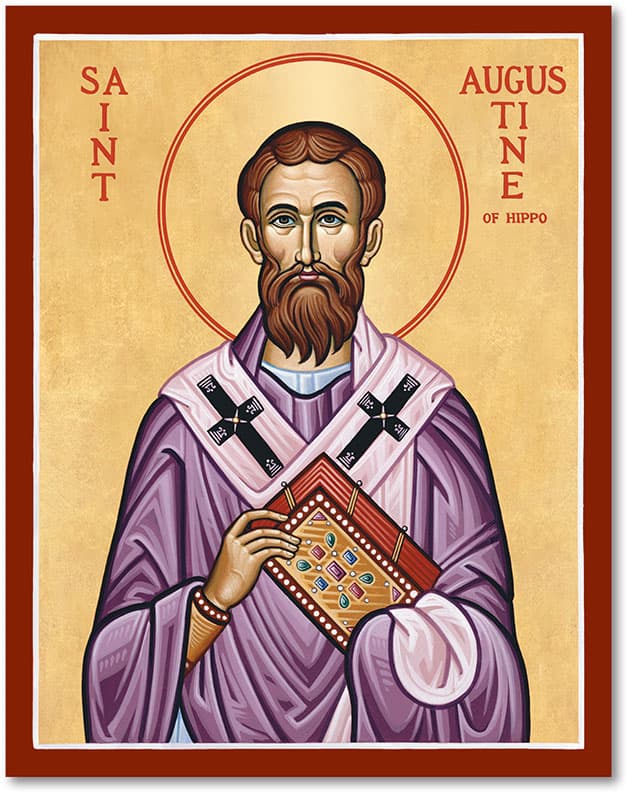
Augustine of Hippo
The most influential theologian in Western history. Defined the doctrines of Original Sin, Grace, and Predestination.
Did you know? Wrote Confessions (first autobiography) and City of God (philosophy of history).
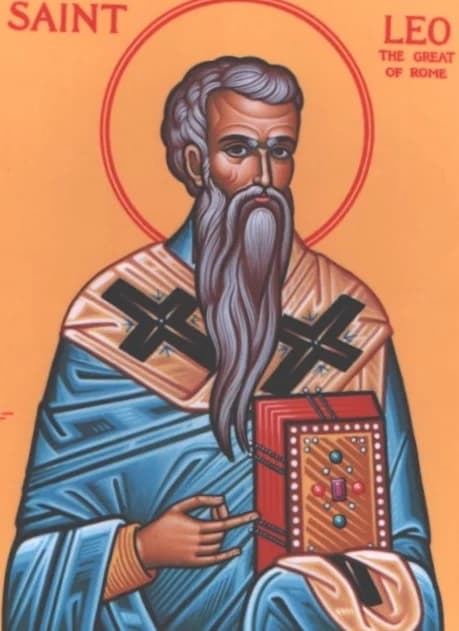
Leo the Great
A powerful Pope who consolidated papal authority. His Tome of Leo defined the two natures of Christ for the Council of Chalcedon.
Did you know? He personally met Attila the Hun outside Rome and persuaded him not to destroy the city.
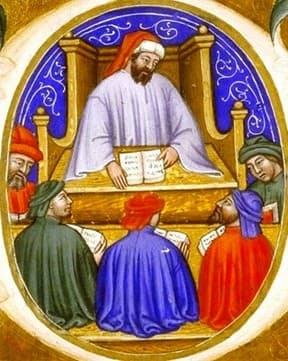
Boethius
A Christian philosopher and statesman bridging the Roman and Medieval worlds.
Did you know? Wrote The Consolation of Philosophy while awaiting execution; it preserved classical logic for the Middle Ages.
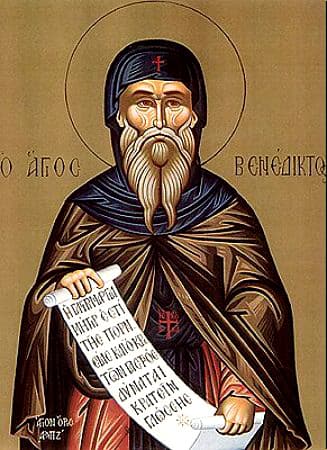
Benedict of Nursia
"Father of Western Monasticism." Wrote The Rule of St. Benedict, balancing prayer and work (ora et labora).
Did you know? His order (the Benedictines) preserved literacy in Europe after the fall of Rome.
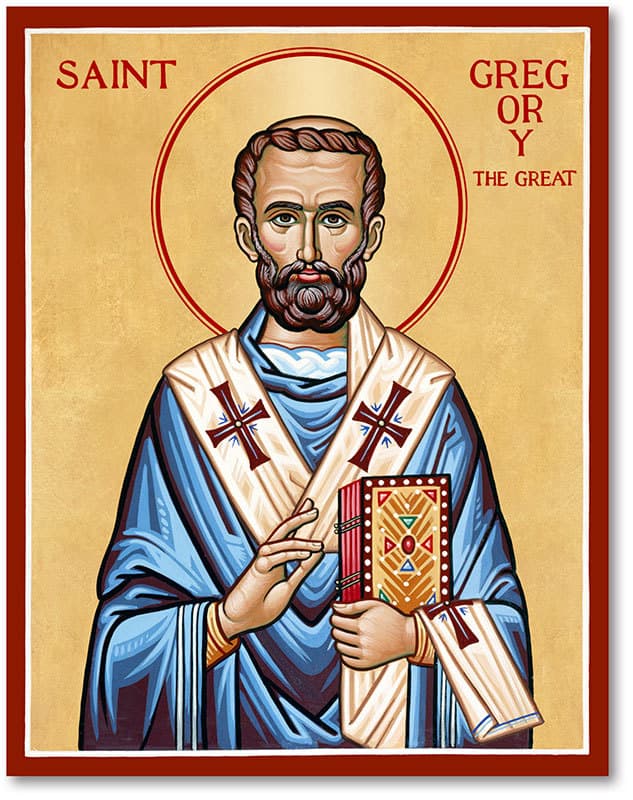
Gregory the Great
The first monk to become Pope. He organized the defense of Rome and sent missionaries to England.
Did you know? "Gregorian Chant" is named for him; he described the Pope's role as "Servant of the Servants of God."
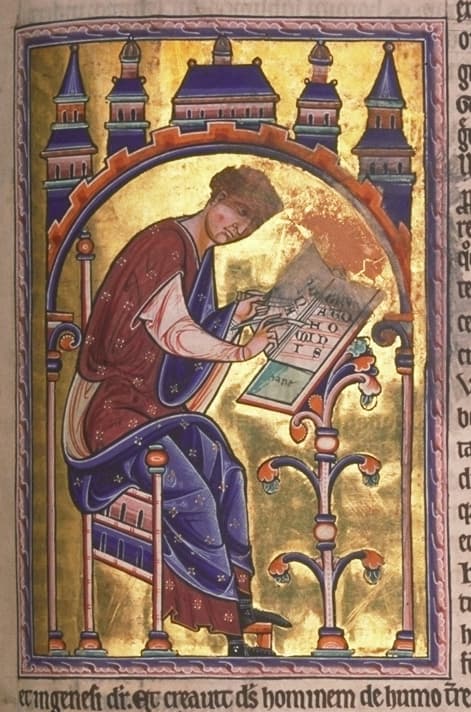
Isidore of Seville
The last Latin Father. A scholar who compiled the Etymologies, an encyclopedia of all known knowledge.
Did you know? Often considered the patron saint of the Internet/Database administrators.
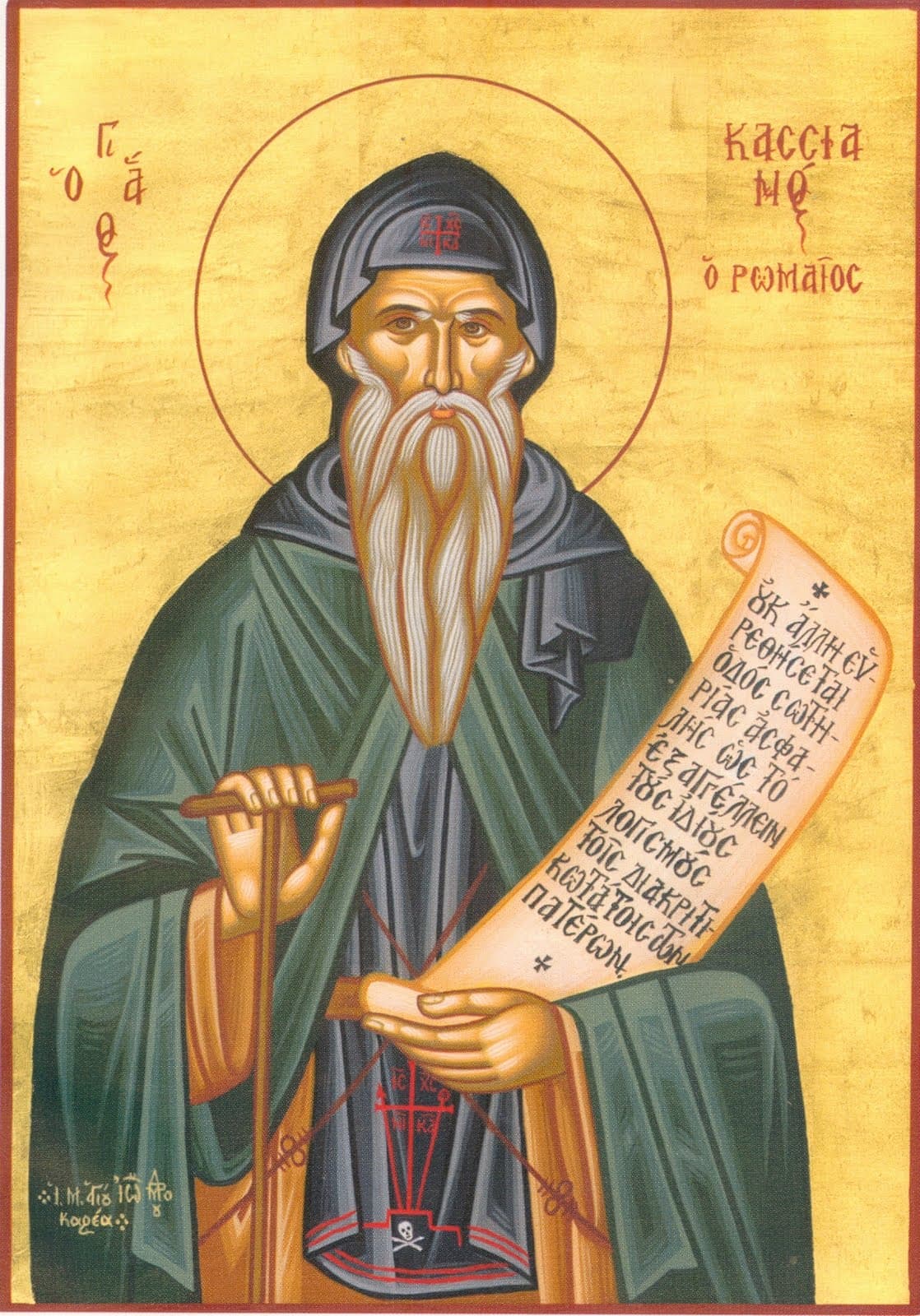
John Cassian
The "Bridge-Builder." He lived with the Egyptian monks for years before moving to France, bringing their wisdom to the West. His Institutes taught the West how to organize monasteries.
Did you know? St. Benedict ordered his monks to read Cassian's Conferences every evening after supper, making him the grandfather of Western monasticism.
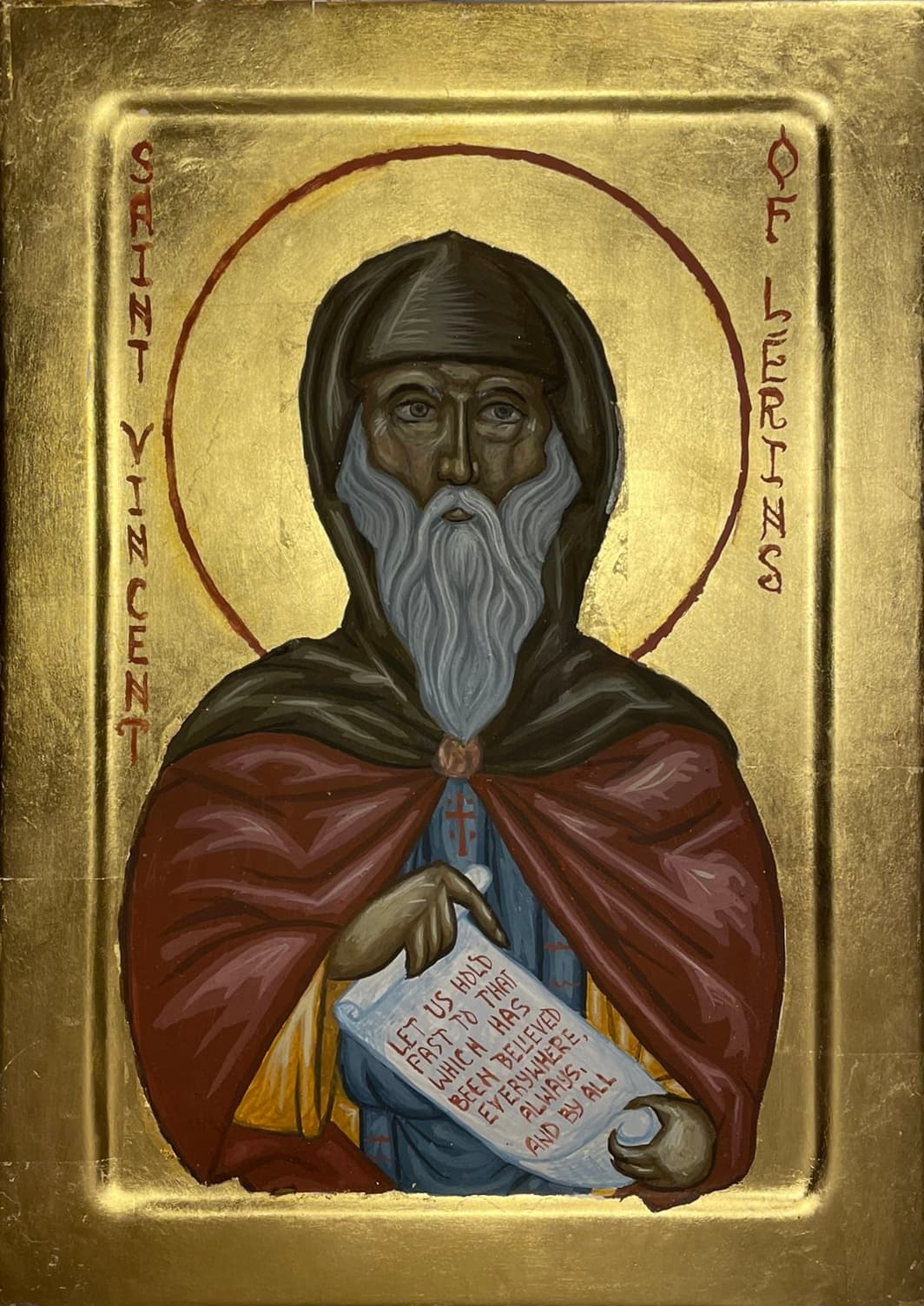
Vincent of Lérins
A monk who sought a scientific method to distinguish truth from heresy. He famously defined Orthodoxy as "that which has been believed everywhere, always, and by all."
Did you know? His writings were partly a reaction against St. Augustine, whom he feared had gone too far with his harsh views on predestination.
The Syriac & Desert Fathers
The ascetics and poets of the desert.
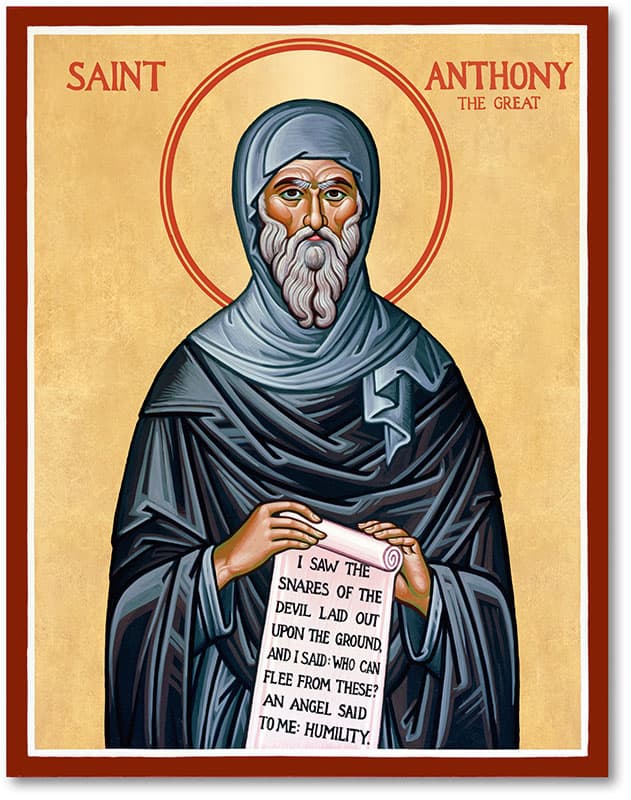
Anthony the Great
"Father of Monks." Abandoned society to live in the desert, inspiring the monastic movement.
Did you know? Lived to 105; his life story by Athanasius was a "best-seller" in the 4th century.
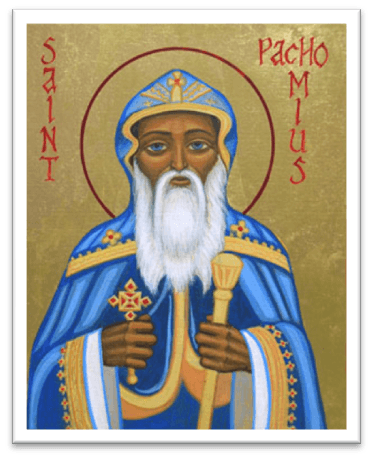
Pachomius the Great
The founder of "Cenobitic" (communal) monasticism. While Anthony lived alone, Pachomius organized monks into walled communities with strict schedules for work, prayer, and meals.
Did you know? He created the first prayer rope (komboskini) to help illiterate monks keep count of their prayers, a tool still used in the Orthodox Church today.
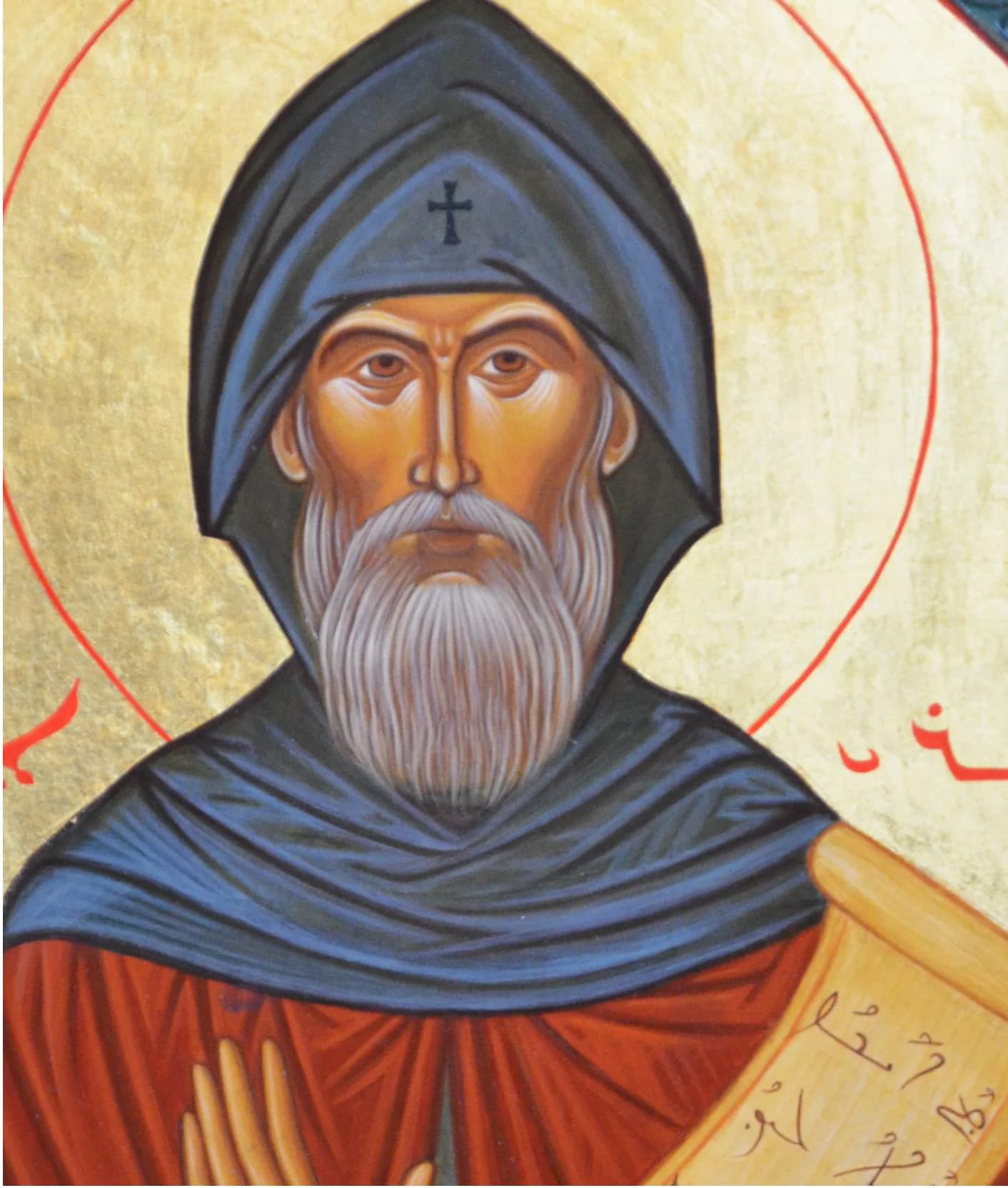
Ephrem the Syrian
"Harp of the Spirit." A deacon who wrote theology in complex, symbolic poetry rather than prose.
Did you know? The most significant author in the Syriac (Aramaic) language.
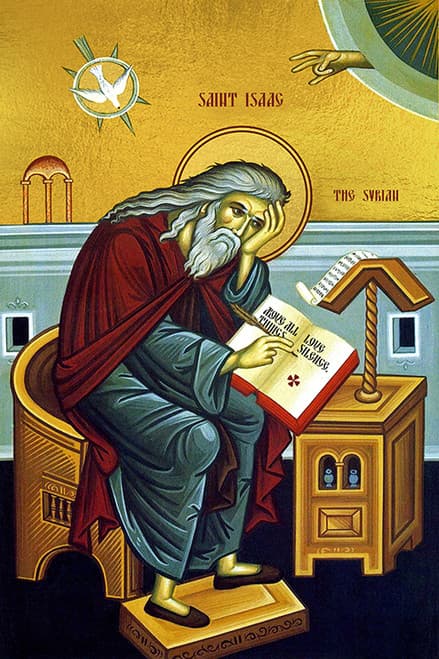
Isaac of Nineveh
A hermit and bishop known for his psychological depth and writings on God's limitless mercy.
Did you know? Resigned as Bishop of Nineveh after only 5 months because he couldn't stand administrative arguments; returned to the desert.
End of Timeline
37 Church Fathers across 5 eras